How the team manages to maintain process stability despite the war, growing demand, and network expansion — and what role telecommunications services play in this — is explained in this case study.
From the kitchen to mobile apps: How the team manages its it ecosystem
Puzata Khata is the largest restaurant chain serving modern Ukrainian cuisine in Ukraine. Now, it includes 45 restaurants.
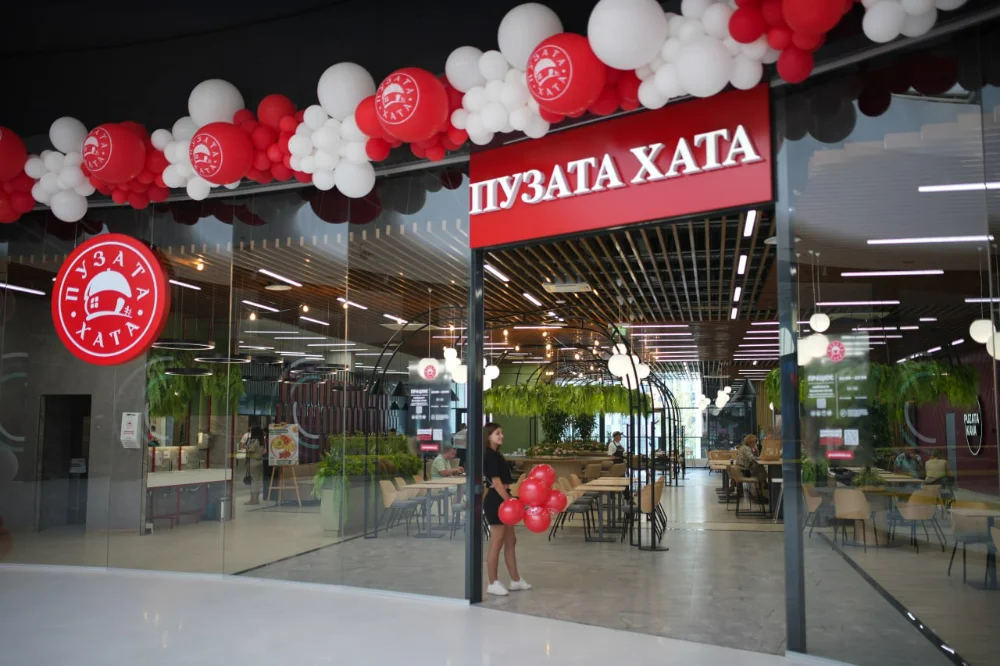
If ten years ago the main task for a restaurant chain was to ensure the stable operation of cash registers and the kitchen, today Puzata Khata’s IT department manages a complex ecosystem of digital services. It includes POS systems, kitchen management systems, active marketing tools, integrations with delivery services, and inventory management.
Our work is based on POS systems, which process orders, payments, inventory management, and reporting. They must be reliable, fast, and integrated, comments Andrii Tokariev, CIO of the Puzata Hata restaurant chain.
Online orders now account for a significant share of the network’s operations. We are sure that everyone reading this case study has ordered lunch through the Puzata Khata app at least once in their life. This requires reliable operation of the website and software solutions for interaction with the mobile applications of delivery services such as Glovo, Bolt, Choicer, and others.
Puzata Khata’s IT specialists are constantly implementing new technologies, including self-service systems, mobile payments, and data analytics.
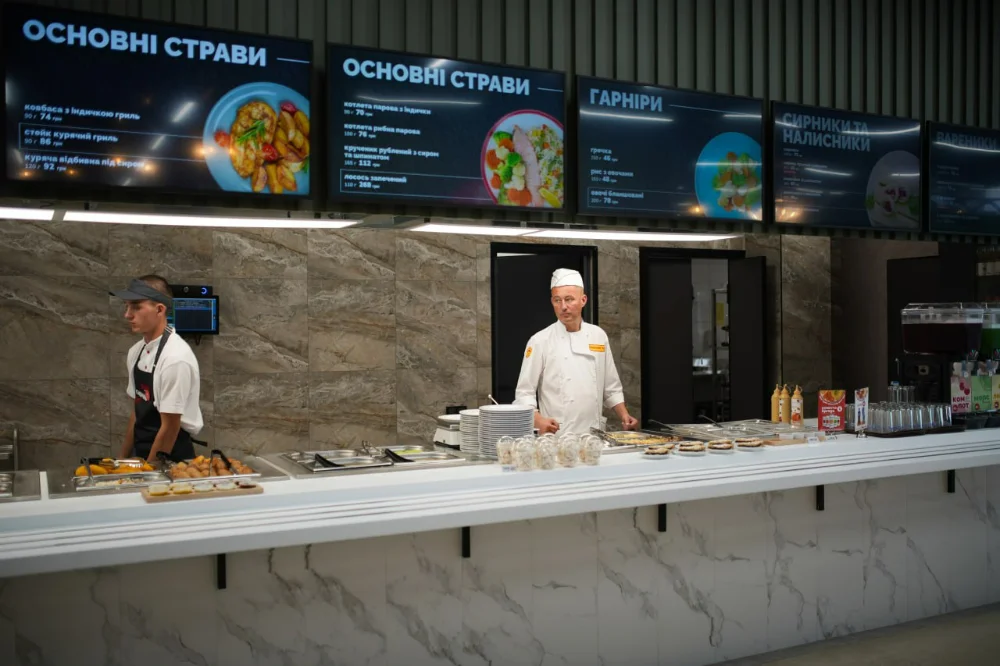
In Puzata Khata restaurants, instead of paper kitchen checks, orders are shown on the kitchen displays. This reduces preparation time and decreases the number of errors.
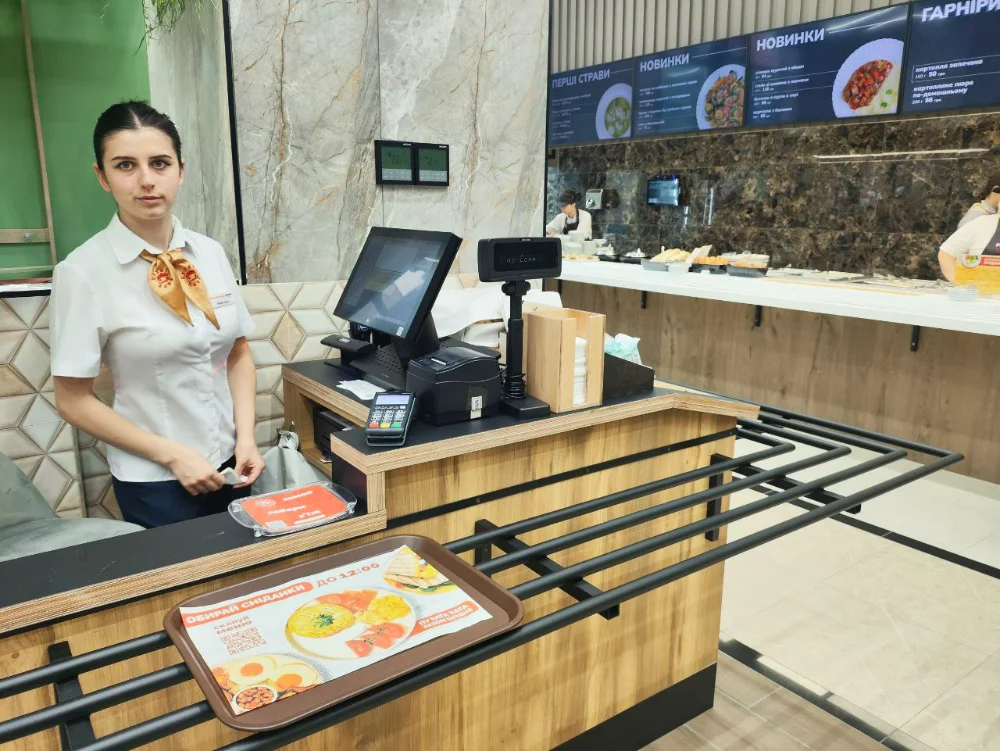
The automated inventory management system tracks product balances and generates supplier orders, minimizing losses. Marketing displays and kiosks offer guests additional dishes across the physical restaurant network.
All these IT systems must operate without interruption 24/7, because any downtime in the POS system, procurement systems, or kitchen operations leads to financial losses, says Andrii Tokariev.
Behind the scenes of the restaurant chain’s IT processes
Behind the smooth daily operation of the restaurant chain is the work of the IT team. They monitor the stable performance of software products, ensure uninterrupted operation of services 24/7, and protect payment data from cyberattacks.
When new locations open, the system must be scaled quickly, while users — from cashiers to managers — need timely support. Even in the event of power or internet outages, restaurants cannot stop operating. To support this, the entire network must be reliably connected to the company’s data centers in Ukraine. This is where telecommunications services come into play: from internet access to backup communication channels.
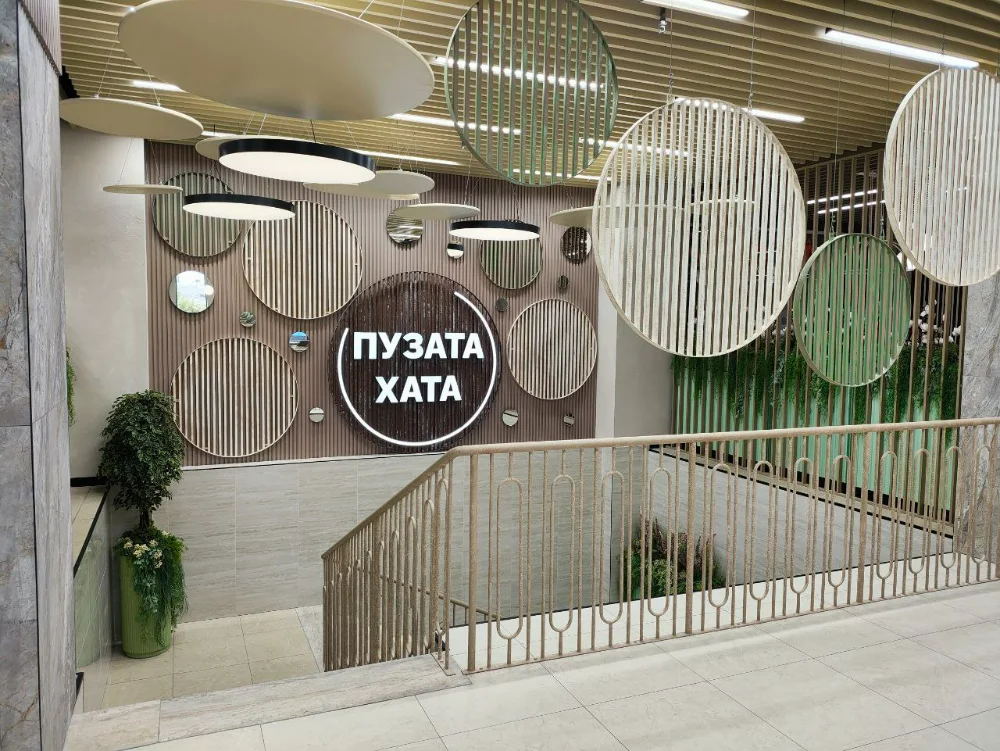
To ensure the uninterrupted operation of its IT infrastructure, Puzata Khata built a duplicate transport and corporate network across several independent operators. Among them are solutions from the telecom operator GigaTrans.
GigaTrans specialists connected each restaurant in the network to an uninterrupted corporate internet that continues to operate even during power outages. The entire Puzata Khata network has duplicated communication channels for 24/7 operation.
In Ukrainian realities, it is impossible to operate without backup solutions. We design infrastructure in a way that reduces risks in advance. After all, any operational failure means downtime and financial losses, says Andrii Tokariev, IT Director of the Puzata Khata restaurant chain. “For us, this is critical.”
Reliability and 24/7 support
Puzata Khata’s IT systems operate continuously, enabling fast service for guests in dozens of restaurants across Ukraine. Data security and 24/7 stability are supported by the company’s extensive infrastructure, with the partnership with GigaTrans playing an important role in this process.
Every time a question arose, GigaTrans provided prompt and qualified assistance. You can feel that the team works for results, not just to punch the clock. It is always pleasant to communicate with them and witness how quickly all tasks are resolved, says Andrii Tokariev.